

Hey there! As a supplier of Tiller Gasoline Engines, I often get asked about the environmental concerns associated with these engines. So, I thought I'd take a moment to share some insights on this topic.
First off, let's talk about what Tiller Gasoline Engines are. These engines are commonly used in gardening and small - scale agricultural work. They power tillers, which are essential tools for preparing soil, breaking up clumps, and mixing in compost. You can find more about them here: Tiller Gasoline Engine.
One of the main environmental concerns with gasoline engines in general is air pollution. When a Tiller Gasoline Engine burns gasoline, it releases a variety of pollutants into the air. The primary pollutants include carbon monoxide (CO), hydrocarbons (HC), and nitrogen oxides (NOx). Carbon monoxide is a colorless and odorless gas that can be harmful when inhaled in large amounts. It reduces the amount of oxygen that can be carried by red blood cells in our bodies. Hydrocarbons are a group of chemicals that can contribute to the formation of ground - level ozone, which is a major component of smog. Ozone can cause respiratory problems, especially for people with asthma or other lung conditions. Nitrogen oxides also play a role in the formation of smog and acid rain.
Another issue is particulate matter (PM). Gasoline engines, including Tiller Gasoline Engines, can emit tiny particles that can be inhaled deep into the lungs. These particles can cause irritation, inflammation, and long - term health problems such as lung cancer and heart disease.
But it's not all doom and gloom. The engine industry has made significant progress in reducing emissions over the years. Modern Tiller Gasoline Engines are designed to be more fuel - efficient and produce fewer pollutants. For example, our 192F Gasoline Engine is equipped with advanced combustion technology that helps to burn fuel more completely. This means less unburned fuel is released into the air, reducing the emissions of hydrocarbons and carbon monoxide.
We also offer Portable Agricultural Gasoline Engine models that are engineered to meet strict environmental standards. These engines use catalytic converters and other emission - control devices to further reduce the amount of pollutants released. A catalytic converter works by converting harmful pollutants into less harmful substances through a chemical reaction. For instance, it can convert carbon monoxide into carbon dioxide, which is a less toxic gas.
In addition to emission - control technologies, proper maintenance of Tiller Gasoline Engines is crucial for reducing environmental impact. Regularly changing the air filter, spark plug, and oil can ensure that the engine runs smoothly and efficiently. A dirty air filter can restrict the flow of air into the engine, causing the fuel - air mixture to be too rich. This leads to incomplete combustion and increased emissions. Similarly, a worn - out spark plug may not ignite the fuel - air mixture properly, also resulting in higher emissions.
Another aspect to consider is fuel quality. Using high - quality gasoline can also make a difference. Low - quality gasoline may contain more impurities, which can increase emissions and reduce engine performance. It's recommended to use gasoline with the appropriate octane rating for your engine.
Now, let's talk about noise pollution. Tiller Gasoline Engines can be quite noisy, especially when they are running at full throttle. This can be a nuisance for people living nearby, and it can also have an impact on wildlife. Loud noises can disrupt the natural behavior of animals, such as their feeding and mating patterns. To address this issue, some of our engines are designed with noise - reducing features. We use advanced muffler designs and sound - insulating materials to minimize the noise level.
When it comes to the end - of - life of a Tiller Gasoline Engine, proper disposal is important. These engines contain various materials, including metals, plastics, and fluids. If not disposed of correctly, they can pose a threat to the environment. We encourage our customers to recycle their old engines whenever possible. Many parts of the engine, such as the metal components, can be recycled and reused in the manufacturing of new products.

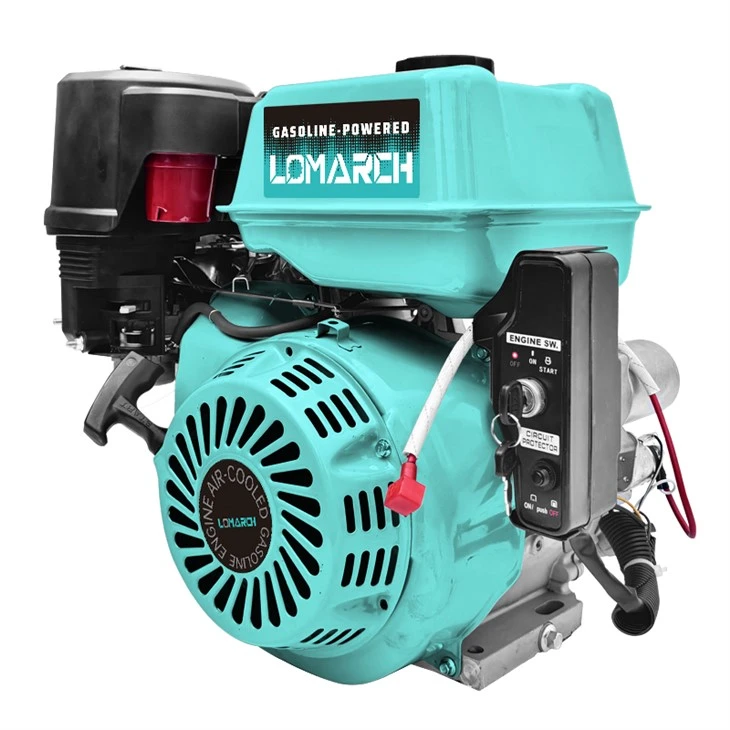
So, while there are environmental concerns associated with Tiller Gasoline Engines, there are also many ways to mitigate these impacts. As a supplier, we are committed to providing engines that are not only powerful and reliable but also environmentally friendly.
If you're in the market for a Tiller Gasoline Engine, whether it's for your home garden or a small - scale agricultural operation, we'd love to have a chat with you. We can help you choose the right engine that meets your needs while minimizing the environmental impact. Feel free to reach out to us to start a conversation about your engine requirements.
References
- "Air Pollution from Small Gasoline Engines" - Environmental Protection Agency
- "Noise Pollution and Its Effects on Wildlife" - Journal of Environmental Science and Technology
- "Advances in Gasoline Engine Emission Control Technologies" - Society of Automotive Engineers
