

As a supplier of gasoline engines, I've witnessed firsthand the intricate dance of components that bring these powerhouses to life. One of the most crucial yet often overlooked parts of a gasoline engine is the fuel pump. In this blog, I'll take you through the inner workings of a gasoline engine's fuel pump, explaining how it functions and why it's so vital to the overall performance of the engine.
The Role of the Fuel Pump in a Gasoline Engine
Before delving into the mechanics of the fuel pump, it's essential to understand its role in the grand scheme of a gasoline engine. The primary function of the fuel pump is to deliver fuel from the fuel tank to the engine's combustion chamber at the correct pressure and volume. This process is fundamental for the engine to run smoothly and efficiently. Without a properly functioning fuel pump, the engine would starve for fuel, leading to poor performance, stalling, or even complete failure.
Types of Fuel Pumps
There are two main types of fuel pumps used in gasoline engines: mechanical fuel pumps and electric fuel pumps.
Mechanical Fuel Pumps
Mechanical fuel pumps are commonly found in older gasoline engines. They are driven by the engine's camshaft or a special eccentric shaft. The basic principle behind a mechanical fuel pump is quite simple. As the camshaft rotates, it pushes a lever connected to a diaphragm inside the fuel pump. When the diaphragm is pushed down, it creates a vacuum in the fuel pump chamber. This vacuum draws fuel from the fuel tank through an inlet valve. As the camshaft continues to rotate, the lever releases the diaphragm, which then springs back up. This action pressurizes the fuel in the chamber and forces it through an outlet valve and into the engine's carburetor or fuel injection system.
One of the advantages of mechanical fuel pumps is their simplicity. They have fewer components compared to electric fuel pumps, which means they are generally more reliable and easier to repair. However, they also have some limitations. Mechanical fuel pumps are directly driven by the engine, so their output is directly proportional to the engine's speed. This means that at low engine speeds, the fuel pump may not deliver enough fuel to meet the engine's demand, especially during high-load situations.
Electric Fuel Pumps
Electric fuel pumps have become the standard in modern gasoline engines, especially those equipped with fuel injection systems. They are powered by the vehicle's electrical system and are typically located inside the fuel tank. Electric fuel pumps can deliver a consistent and high-pressure fuel supply, regardless of the engine's speed.
The operation of an electric fuel pump is based on the principle of a motor-driven impeller or a roller cell pump. When the ignition is turned on, an electrical signal activates the fuel pump motor. The motor drives the impeller or roller cell, which creates a flow of fuel. The fuel is then pushed through a check valve and into the fuel line, where it is delivered to the engine's fuel injection system.
One of the main advantages of electric fuel pumps is their ability to provide a constant and precise fuel pressure. This is essential for modern fuel injection systems, which require a specific fuel pressure to operate efficiently. Electric fuel pumps can also be controlled electronically, allowing for more precise fuel delivery and better engine performance. However, they are more complex than mechanical fuel pumps and can be more expensive to replace if they fail.
The Fuel Pump's Journey: From the Tank to the Engine
Let's take a closer look at the journey of fuel from the fuel tank to the engine, highlighting the role of the fuel pump at each stage.
Fuel Tank
The fuel tank is where the journey begins. It stores the gasoline that will be used by the engine. The fuel tank is equipped with a fuel sender unit, which measures the amount of fuel in the tank and sends a signal to the fuel gauge on the dashboard. The fuel pump is usually located inside the fuel tank, submerged in the gasoline. This helps to keep the pump cool and lubricated, as well as reducing the risk of vapor lock.
Fuel Filter
As the fuel is drawn from the fuel tank by the fuel pump, it passes through a fuel filter. The fuel filter is designed to remove any dirt, debris, or contaminants from the fuel before it reaches the engine. A clogged fuel filter can restrict the flow of fuel and cause the engine to run poorly. Regularly replacing the fuel filter is an important part of maintaining the health of the fuel pump and the engine.
Fuel Line
Once the fuel has passed through the fuel filter, it enters the fuel line. The fuel line is a series of pipes or hoses that carry the fuel from the fuel tank to the engine. The fuel pump creates the pressure needed to push the fuel through the fuel line and overcome any resistance.
Fuel Injectors or Carburetor
The final destination of the fuel is the engine's combustion chamber. In modern gasoline engines, fuel is typically delivered to the combustion chamber through fuel injectors. Fuel injectors are electronically controlled valves that spray a fine mist of fuel into the intake manifold or directly into the combustion chamber. The fuel pump provides the high-pressure fuel needed for the injectors to operate effectively.
In older engines, a carburetor is used to mix the fuel with air before it enters the combustion chamber. The fuel pump delivers the fuel to the carburetor at a lower pressure compared to fuel injection systems. The carburetor then uses the Venturi effect to draw in air and mix it with the fuel in the correct proportion.
Importance of a Well-Functioning Fuel Pump
A well-functioning fuel pump is essential for the proper operation of a gasoline engine. Here are some of the key reasons why:
Engine Performance
The fuel pump plays a crucial role in determining the engine's performance. It ensures that the engine receives the right amount of fuel at the right pressure. If the fuel pump is not delivering enough fuel, the engine may experience a loss of power, rough idling, or hesitation during acceleration. On the other hand, if the fuel pump is delivering too much fuel, it can cause the engine to run rich, leading to increased fuel consumption and emissions.
Fuel Efficiency
A properly functioning fuel pump can also improve fuel efficiency. By delivering the correct amount of fuel to the engine, the fuel pump helps to ensure that the engine burns the fuel more efficiently. This can result in better mileage and lower fuel costs.
Engine Longevity
A well-maintained fuel pump can contribute to the longevity of the engine. By providing a clean and consistent fuel supply, the fuel pump helps to prevent damage to the engine's components, such as the fuel injectors, valves, and pistons. This can reduce the risk of engine problems and extend the life of the engine.
Our Gasoline Engines and Fuel Pumps
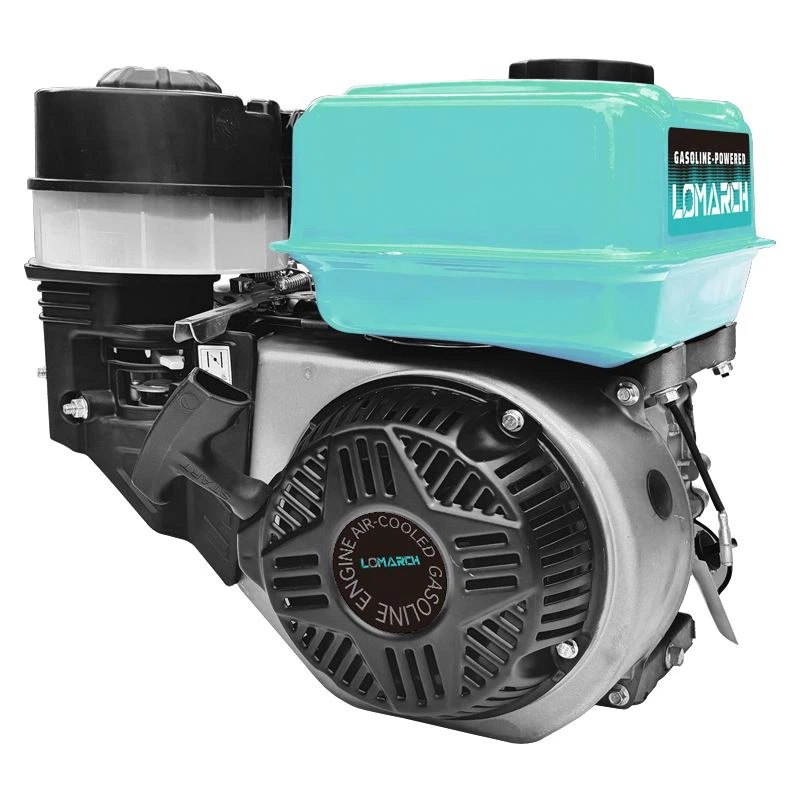
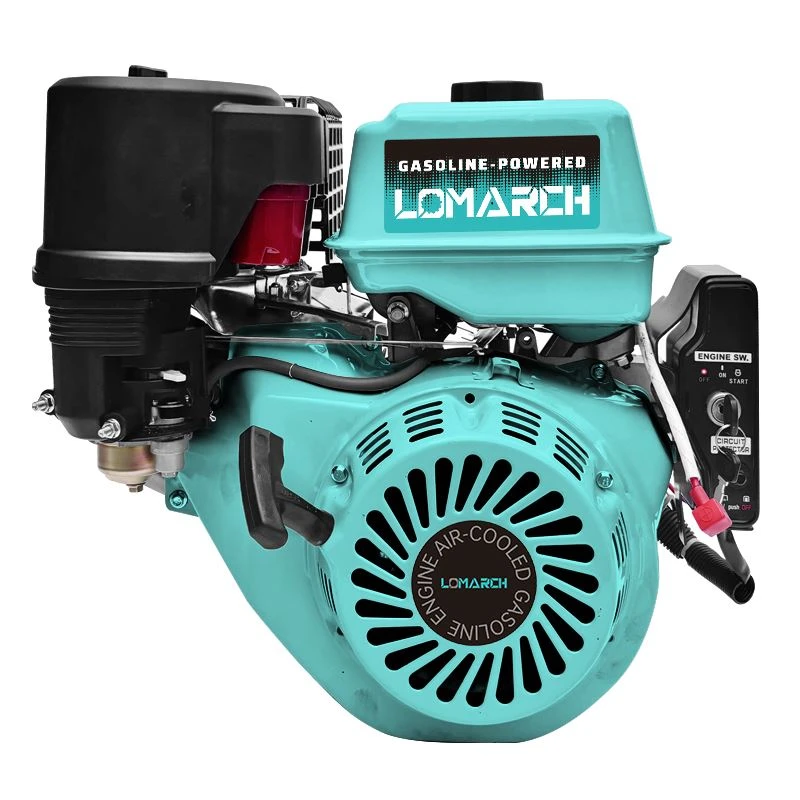
At our company, we understand the importance of a reliable fuel pump in a gasoline engine. That's why we offer a wide range of high-quality gasoline engines, including the 170F Gasoline Engine, Portable Agricultural Gasoline Engine, and Single Cylinder Gasoline Engine. Each of our engines is equipped with a fuel pump that is designed to deliver optimal performance and reliability.
Our fuel pumps are carefully selected and tested to ensure that they meet the highest standards of quality and durability. We use advanced manufacturing techniques and high-quality materials to ensure that our fuel pumps can withstand the rigors of daily use and provide a long service life.
Contact Us for Your Gasoline Engine Needs
If you're in the market for a gasoline engine or have any questions about our products, we'd love to hear from you. Our team of experts is available to answer your questions and help you find the right engine for your needs. Whether you're looking for a small engine for a lawn mower or a larger engine for a generator, we have the solution for you. Contact us today to start the conversation and explore how our gasoline engines can power your next project.
References
- Heywood, J. B. (1988). Internal Combustion Engine Fundamentals. McGraw-Hill.
- Taylor, C. F. (1985). The Internal Combustion Engine in Theory and Practice. MIT Press.
- Bosch Automotive Handbook. (2007). Robert Bosch GmbH.
