

As a seasoned supplier in the gasoline engine industry, I've witnessed firsthand the evolution and significance of various engine components. One such crucial part is the Exhaust Gas Recirculation (EGR) valve. In this blog, I'll delve into the role of the EGR valve in a gasoline engine, exploring its functions, benefits, and impact on engine performance.
Understanding the Basics of the EGR Valve
The EGR valve is an emissions control device that plays a pivotal role in reducing the amount of nitrogen oxides (NOx) emitted by a gasoline engine. NOx is a group of harmful pollutants that contribute to smog, acid rain, and respiratory problems. When fuel is burned in an engine, high temperatures are generated, which can cause nitrogen and oxygen in the air to react and form NOx. The EGR valve helps to mitigate this issue by recirculating a portion of the exhaust gases back into the engine's combustion chamber.
How the EGR Valve Works
The EGR valve operates based on signals from the engine control unit (ECU). The ECU monitors various engine parameters, such as engine speed, load, and temperature, to determine the appropriate amount of exhaust gas to recirculate. When the engine is operating under certain conditions, such as at low to medium loads and speeds, the ECU sends a signal to the EGR valve to open. This allows a controlled amount of exhaust gas to flow from the exhaust manifold into the intake manifold and mix with the incoming air-fuel mixture.
The recirculated exhaust gas acts as an inert gas, diluting the air-fuel mixture and reducing the peak combustion temperatures. Since NOx formation is highly temperature-dependent, lowering the combustion temperatures helps to reduce the production of NOx. Additionally, the recirculated exhaust gas contains some unburned fuel and water vapor, which can further improve the combustion process and reduce emissions.
Benefits of the EGR Valve
The EGR valve offers several benefits for gasoline engines, both in terms of environmental performance and engine efficiency.
Emissions Reduction
As mentioned earlier, the primary function of the EGR valve is to reduce NOx emissions. By recirculating exhaust gas and lowering the combustion temperatures, the EGR valve helps to meet strict emissions standards set by regulatory authorities. This is particularly important in today's automotive industry, where reducing emissions is a top priority to protect the environment and public health.
Improved Fuel Efficiency
In addition to reducing emissions, the EGR valve can also improve fuel efficiency. By diluting the air-fuel mixture with exhaust gas, the EGR valve reduces the amount of fuel required to achieve the same power output. This is because the recirculated exhaust gas contains some unburned fuel, which can be burned during the combustion process, effectively increasing the engine's thermal efficiency.
Engine Durability
The EGR valve can also contribute to the long-term durability of the engine. By reducing the peak combustion temperatures, the EGR valve helps to minimize the stress on engine components, such as the pistons, valves, and cylinder heads. This can extend the lifespan of the engine and reduce the likelihood of costly repairs.
Impact on Engine Performance
While the EGR valve offers many benefits, it can also have some impact on engine performance under certain conditions.

Reduced Power Output
One of the potential drawbacks of the EGR valve is that it can reduce the engine's power output, especially at high loads and speeds. This is because the recirculated exhaust gas displaces some of the incoming air-fuel mixture, reducing the amount of oxygen available for combustion. As a result, the engine may produce less power and torque, which can affect acceleration and towing capacity.
Carbon Deposits
Another issue associated with the EGR valve is the formation of carbon deposits. Over time, the recirculated exhaust gas can leave behind carbon deposits on the EGR valve, intake manifold, and other engine components. These deposits can restrict the flow of exhaust gas and air, reducing the effectiveness of the EGR system and potentially causing engine performance problems.
Maintenance Requirements
To ensure the proper functioning of the EGR valve, regular maintenance is required. This includes cleaning or replacing the EGR valve and associated components as needed. Failure to maintain the EGR system can lead to increased emissions, reduced fuel efficiency, and engine performance issues.
Our Gasoline Engines and the EGR Valve
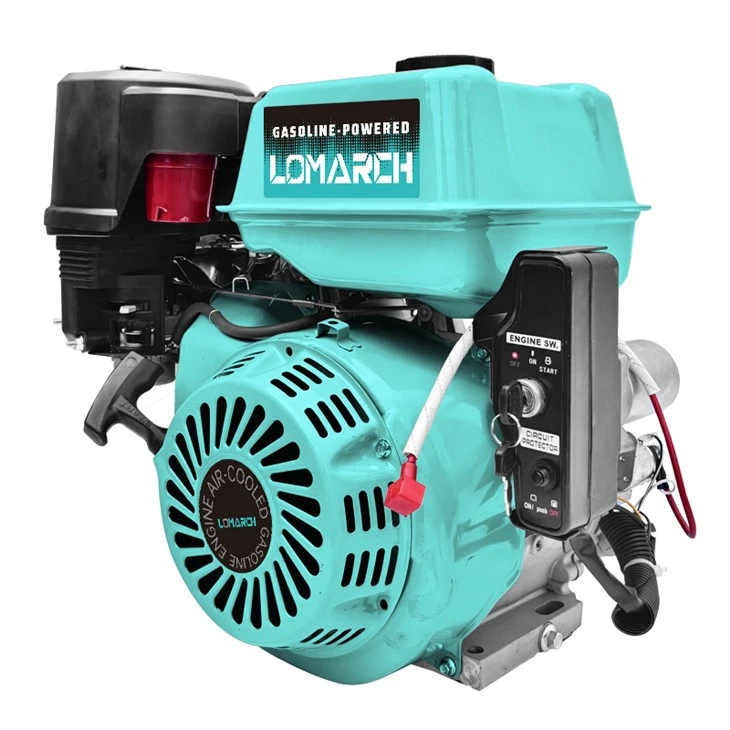
At our company, we understand the importance of the EGR valve in gasoline engines. That's why we incorporate high-quality EGR valves into our 170F Gasoline Engine, Single Cylinder Gasoline Engine, and Tiller Gasoline Engine. Our engines are designed to meet or exceed the latest emissions standards while providing reliable performance and fuel efficiency.
We also offer comprehensive technical support and maintenance services to ensure that our customers' engines operate at their best. Our team of experienced technicians can assist with EGR valve cleaning, replacement, and troubleshooting, as well as provide guidance on proper engine maintenance.
Conclusion
In conclusion, the EGR valve plays a crucial role in reducing emissions and improving fuel efficiency in gasoline engines. While it can have some impact on engine performance under certain conditions, the benefits of the EGR valve far outweigh the drawbacks. At our company, we are committed to providing high-quality gasoline engines that incorporate the latest emissions control technologies, including the EGR valve.
If you're in the market for a reliable and efficient gasoline engine, we invite you to explore our product range and contact us to discuss your specific requirements. Our team of experts is ready to assist you in finding the perfect engine for your application and providing you with the support and service you need to keep it running smoothly.
References
- Heywood, J. B. (1988). Internal Combustion Engine Fundamentals. McGraw-Hill.
- Stone, R. (1999). Introduction to Internal Combustion Engines. Society of Automotive Engineers.
- Bosch Automotive Handbook (7th ed.). (2007). Robert Bosch GmbH.
