

Hey there! As a supplier of Tiller Gasoline Engines, I've seen my fair share of issues with these engines not starting. It can be super frustrating, especially when you're in the middle of some important tilling work. But don't worry, I'm here to walk you through the troubleshooting process step by step.
Check the Fuel System
First things first, let's look at the fuel system. A lack of fuel or a problem with the fuel can often be the culprit when your tiller gasoline engine won't start.
Fuel Level
The simplest thing to check is the fuel level. It might sound obvious, but you'd be surprised how many times people overlook this. Open the fuel tank cap and take a peek inside. If the tank is empty, well, that's an easy fix – just fill it up with fresh gasoline. Make sure you're using the right type of gasoline for your engine. Most tiller gasoline engines run on regular unleaded gasoline, but it's always a good idea to check your engine's manual to be sure.
Fuel Quality
Even if you have fuel in the tank, it might not be good quality. Gasoline can go bad over time, especially if it's been sitting in the tank for a long time. Old gasoline can leave deposits in the fuel system, clogging the carburetor and other components. If you suspect the gasoline is old, drain the tank and refill it with fresh fuel. You can also add a fuel stabilizer to the new fuel to prevent it from going bad in the future.
Fuel Lines
Next, check the fuel lines for any signs of damage or blockage. Look for cracks, leaks, or kinks in the lines. If you find any damage, you'll need to replace the affected fuel line. A blocked fuel line can also prevent fuel from reaching the engine. You can try blowing through the fuel line to clear any blockages, but be careful not to inhale any gasoline fumes.
Examine the Spark Plug
The spark plug is another crucial component when it comes to getting your engine started. It provides the spark that ignites the fuel-air mixture in the engine's cylinders.
Spark Plug Condition
Remove the spark plug from the engine using a spark plug wrench. Take a look at the spark plug. If it's covered in carbon deposits or looks worn out, it might need to be replaced. A fouled spark plug won't produce a strong enough spark to ignite the fuel, so it's important to keep it in good condition. You can clean a slightly fouled spark plug with a wire brush, but if it's really dirty or damaged, it's best to replace it with a new one.
Spark Plug Gap
The spark plug gap is the distance between the center electrode and the ground electrode. If the gap is too wide or too narrow, it can affect the spark plug's performance. You can use a spark plug gap tool to check and adjust the gap to the specifications recommended in your engine's manual.
Spark
To check if the spark plug is producing a spark, you can use a spark tester. Connect the spark tester to the spark plug wire and the spark plug. Crank the engine and see if there's a spark in the spark tester. If there's no spark, it could be a problem with the ignition system, such as a faulty ignition coil or a broken spark plug wire.
Inspect the Air Filter
The air filter plays an important role in keeping the engine running smoothly. A dirty or clogged air filter can restrict the flow of air into the engine, making it difficult to start.
Air Filter Condition
Locate the air filter housing on your engine. Remove the housing cover and take out the air filter. If the air filter is dirty or clogged with dirt, dust, or debris, it needs to be cleaned or replaced. You can clean a reusable air filter by gently tapping it to remove loose dirt and then washing it with a mild detergent and water. Let it dry completely before reinstalling it. If the air filter is disposable, simply replace it with a new one.
Air Intake
While you're at it, check the air intake for any blockages. Make sure there are no leaves, grass, or other debris blocking the air intake. A blocked air intake can also restrict the flow of air into the engine.
Check the Carburetor
The carburetor is responsible for mixing the fuel and air in the right proportions before it enters the engine's cylinders. A problem with the carburetor can prevent the engine from starting.
Carburetor Cleaning
Over time, the carburetor can get clogged with dirt, varnish, and other deposits. You can try cleaning the carburetor using a carburetor cleaner. Remove the carburetor from the engine and follow the instructions on the carburetor cleaner to clean it thoroughly. Make sure to clean all the small passages and jets in the carburetor.
Carburetor Adjustment
If cleaning the carburetor doesn't solve the problem, you might need to adjust it. The carburetor has several adjustment screws that control the fuel and air mixture. You can refer to your engine's manual for instructions on how to adjust the carburetor. It's important to make small adjustments and test the engine after each adjustment to avoid over-adjusting the carburetor.
Other Possible Issues
If you've checked all the above components and your tiller gasoline engine still won't start, there could be other issues at play.
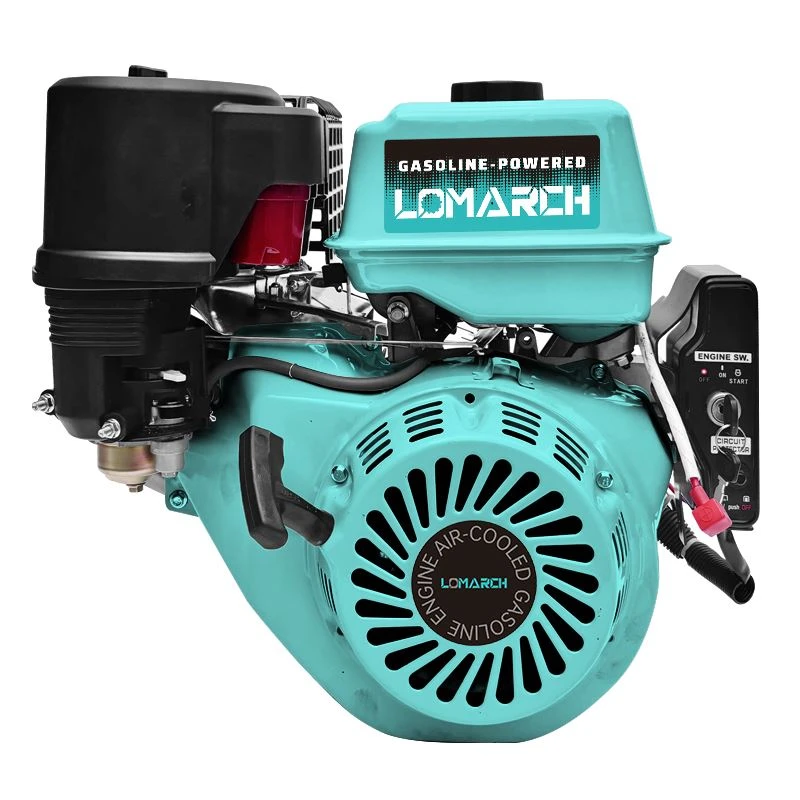

Compression
Low compression can also prevent the engine from starting. You can use a compression tester to check the compression in the engine's cylinders. If the compression is low, it could be a sign of a problem with the piston rings, valves, or cylinder head gasket. This is a more serious issue that might require professional repair.
Ignition System
As mentioned earlier, a problem with the ignition system can prevent the spark plug from producing a spark. This could be due to a faulty ignition coil, a broken spark plug wire, or a malfunctioning ignition switch. You might need to take your engine to a professional mechanic to diagnose and repair the ignition system.
Safety Switches
Some tiller gasoline engines have safety switches that prevent the engine from starting if certain conditions aren't met. For example, there might be a switch that prevents the engine from starting if the tiller is in gear or if the safety guard isn't in place. Check all the safety switches on your engine to make sure they're working properly.
Conclusion
Troubleshooting a tiller gasoline engine that won't start can be a bit of a challenge, but by following these steps, you should be able to identify and fix the problem in most cases. Remember to always refer to your engine's manual for specific instructions and safety precautions.
If you're still having trouble with your tiller gasoline engine or if you're in the market for a new one, we've got you covered. We offer a wide range of high-quality tiller gasoline engines, including the 192F Gasoline Engine, Single Cylinder Gasoline Engine, and Portable Agricultural Gasoline Engine. Our engines are reliable, efficient, and built to last.
If you're interested in learning more about our products or if you have any questions, feel free to reach out to us. We'd be happy to help you find the perfect tiller gasoline engine for your needs.
References
- Small Engine Repair Manuals
- Manufacturer's Engine Documentation
