

Hey there! As a supplier of Tiller Gasoline Engines, I've had my fair share of experience with these nifty little powerhouses. One of the most common questions I get from customers is how to adjust the timing of a Tiller Gasoline Engine. Well, you're in luck because I'm gonna break it down for you in this blog post.
First off, let's talk about why timing is so important. The timing of an engine refers to the precise moment when the spark plug fires and the fuel - air mixture is ignited in the combustion chamber. If the timing is off, your engine might not run smoothly. It could have poor performance, use more fuel than necessary, or even cause damage to the engine over time.
Tools You'll Need
Before you start adjusting the timing, you'll need a few tools. You'll need a timing light, which is a special tool that helps you see when the spark plug is firing. You can usually pick one up at your local auto parts store. You'll also need a socket wrench set to remove any covers or parts that might be in the way. And don't forget a service manual for your specific Tiller Gasoline Engine. This manual will have all the specific timing specifications for your engine.
Step 1: Preparation
The first thing you need to do is make sure your engine is off and cool. Working on a hot engine can be dangerous, so give it some time to cool down. Then, find a flat and stable surface to work on. You'll want to be able to access all parts of the engine easily.
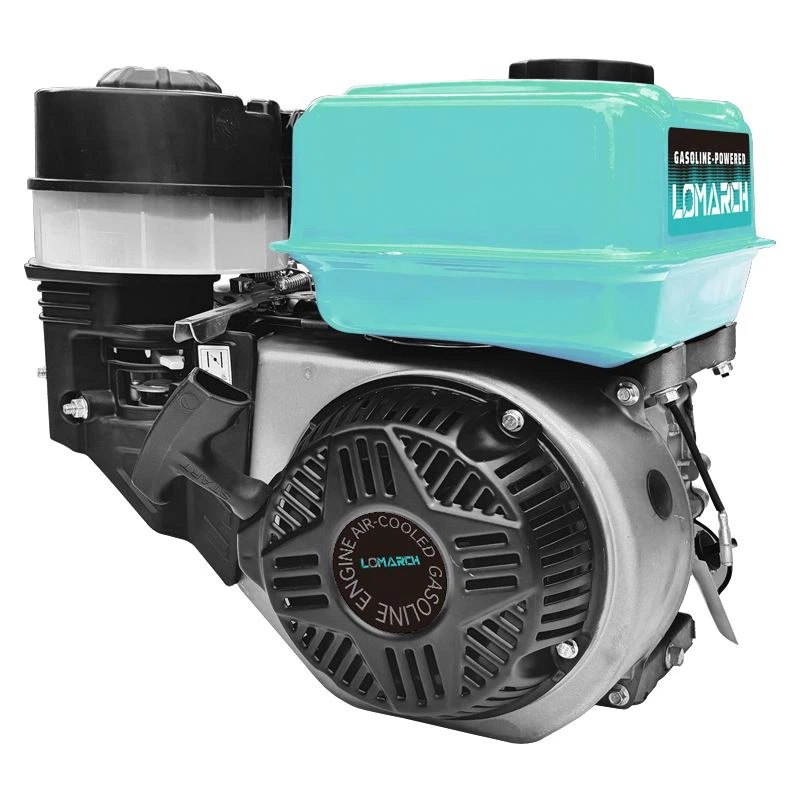

Next, locate the timing marks on your engine. These marks are usually on the flywheel or the crankshaft pulley. They indicate the correct position for the piston when the spark plug should fire. The service manual will tell you exactly where to find these marks.
Step 2: Connect the Timing Light
Now it's time to connect the timing light. Most timing lights have three leads: a power lead, a ground lead, and a signal lead. Connect the power lead to the positive terminal of your battery. Connect the ground lead to a good ground on the engine, like a bolt or a metal bracket. Then, connect the signal lead to the spark plug wire of the number one cylinder. You can find out which cylinder is number one in your service manual.
Step 3: Start the Engine
Once the timing light is connected, start the engine. Let it idle for a few minutes to warm up. Make sure all the accessories, like the lights and the fan, are turned off. This will give you a more accurate reading.
Step 4: Check the Timing
With the engine running, point the timing light at the timing marks. The timing light will flash each time the spark plug fires, and it will illuminate the timing marks. You should see a mark on the flywheel or pulley line up with a mark on the engine block. If the marks don't line up correctly, then the timing is off.
Step 5: Adjust the Timing
To adjust the timing, you'll need to loosen the distributor hold - down bolt. The distributor is the part of the engine that distributes the high - voltage current from the ignition coil to the spark plugs. Once the bolt is loose, you can rotate the distributor. Turning the distributor clockwise will advance the timing, which means the spark plug will fire earlier. Turning it counter - clockwise will retard the timing, which means the spark plug will fire later.
As you rotate the distributor, keep an eye on the timing marks with the timing light. Slowly adjust the distributor until the marks line up correctly according to the specifications in your service manual. Once you have the correct timing, tighten the distributor hold - down bolt.
Step 6: Re - check the Timing
After you've tightened the bolt, re - check the timing with the timing light. Make sure the marks still line up correctly. If they don't, you may need to make a small adjustment.
Step 7: Finish Up
Once you're satisfied with the timing, turn off the engine. Disconnect the timing light and put away your tools. You've successfully adjusted the timing of your Tiller Gasoline Engine!
Now, if you're in the market for a new Tiller Gasoline Engine, we've got you covered. We offer a wide range of high - quality engines, including Portable Agricultural Gasoline Engine and Single Cylinder Gasoline Engine. Our Tiller Gasoline Engine is designed to be reliable and efficient, giving you the power you need for your tilling tasks.
If you're interested in purchasing one of our engines or have any questions about engine timing or maintenance, don't hesitate to reach out. We're here to help you make the right choice for your needs. Whether you're a professional farmer or a weekend gardener, our engines are built to last.
References
- Automotive Repair Manuals
- Manufacturer's Service Manuals for Tiller Gasoline Engines
- Online Resources on Small Engine Repair
