

The lubrication system of a gasoline engine is a crucial aspect that ensures the smooth operation and longevity of the engine. As a leading gasoline engine supplier, we understand the significance of a well - functioning lubrication system, and in this blog, we will delve deep into what it is, how it works, and its importance for gasoline engines.

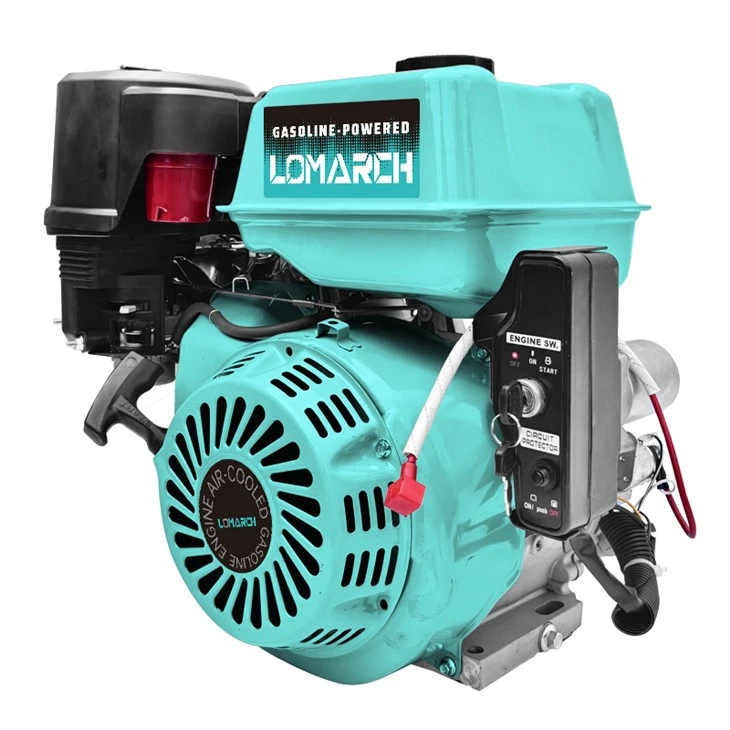
What is the Lubrication System of a Gasoline Engine?
The lubrication system of a gasoline engine is a complex network of components designed to supply lubricating oil to all the moving parts of the engine. Its primary function is to reduce friction between these moving parts, which in turn minimizes wear and tear, heat generation, and energy loss. The system also helps to clean the engine by carrying away debris and contaminants, and it provides a seal between the pistons and the cylinder walls to prevent the leakage of combustion gases.
Components of the Lubrication System
Oil Pan
The oil pan, also known as the sump, is located at the bottom of the engine. It serves as a reservoir for the engine oil. The oil pan is designed to hold an adequate amount of oil to ensure continuous lubrication of the engine components.
Oil Pump
The oil pump is the heart of the lubrication system. It is responsible for drawing oil from the oil pan and pressurizing it before sending it to the various engine components. There are two main types of oil pumps: gear pumps and rotor pumps. Gear pumps use two meshing gears to create a vacuum that draws in oil and then forces it out under pressure. Rotor pumps, on the other hand, use an inner and outer rotor to achieve the same function.
Oil Filter
The oil filter plays a vital role in maintaining the cleanliness of the engine oil. It removes dirt, metal particles, and other contaminants from the oil before it reaches the engine components. A clogged or dirty oil filter can restrict the flow of oil, leading to poor lubrication and potential engine damage.
Oil Cooler
In some high - performance gasoline engines, an oil cooler is used to regulate the temperature of the engine oil. Excessive heat can break down the oil, reducing its lubricating properties. The oil cooler helps to dissipate heat from the oil, ensuring that it remains within the optimal temperature range.
Oil Passages
Oil passages are a network of channels within the engine block and cylinder head. These passages distribute the pressurized oil to all the moving parts, such as the crankshaft, camshaft, pistons, and valves.
How the Lubrication System Works
The lubrication process begins when the engine is started. The oil pump starts to draw oil from the oil pan through a pickup tube. The oil then passes through the oil filter, where contaminants are removed. After that, the pressurized oil is sent through the oil passages to the various engine components.
The oil forms a thin film between the moving parts, reducing friction and wear. As the oil circulates, it also picks up heat and debris. The heated oil returns to the oil pan, where it cools down. The debris is trapped in the oil filter, preventing it from causing damage to the engine.
Importance of a Proper Lubrication System
Reducing Friction and Wear
Friction between moving parts can cause significant wear and tear over time. A well - lubricated engine reduces this friction, extending the lifespan of the engine components. This means fewer breakdowns and lower maintenance costs for the engine users.
Heat Dissipation
The lubrication system helps to dissipate heat generated by the engine. Excessive heat can cause the engine components to expand, leading to poor performance and potential damage. By carrying away heat, the oil helps to keep the engine at a stable operating temperature.
Sealing
The oil film between the pistons and the cylinder walls provides a seal, preventing the leakage of combustion gases. This ensures that the engine operates efficiently and maintains its power output.
Lubrication Systems in Different Types of Gasoline Engines
Portable Agricultural Gasoline Engine
Portable agricultural gasoline engines are often used in small - scale farming equipment, such as lawn mowers, tillers, and chainsaws. These engines typically have a simple lubrication system, often using a splash lubrication method. In splash lubrication, the rotating crankshaft dips into the oil in the oil pan, splashing it onto the engine components. This method is cost - effective and suitable for low - to medium - power engines.
Single Cylinder Gasoline Engine
Single - cylinder gasoline engines are commonly found in motorcycles, small generators, and some small boats. These engines may use either splash lubrication or a more advanced pressure lubrication system. Pressure lubrication systems are more efficient in delivering oil to all the engine components, especially in high - performance single - cylinder engines.
170F Gasoline Engine
The 170F gasoline engine is a popular choice for various applications, including small construction equipment and agricultural machinery. This engine usually features a pressure lubrication system with an oil pump and oil filter. The pressure lubrication system ensures that all the engine components receive a consistent supply of clean oil, even under heavy loads.
Maintenance of the Lubrication System
Proper maintenance of the lubrication system is essential to ensure the long - term performance of the gasoline engine. Here are some key maintenance tips:
- Regular Oil Changes: Change the engine oil at the recommended intervals. Old oil can break down and lose its lubricating properties, leading to increased friction and wear.
- Replace the Oil Filter: Replace the oil filter every time you change the oil. A dirty oil filter can restrict the flow of oil and cause engine damage.
- Check the Oil Level: Regularly check the oil level in the oil pan. Low oil levels can lead to insufficient lubrication, while overfilling can cause foaming and poor lubrication.
- Inspect for Leaks: Check for oil leaks around the engine. Leaks can not only lead to a loss of oil but also contaminate other engine components.
Contact for Purchase and Consultation
As a trusted gasoline engine supplier, we offer a wide range of high - quality gasoline engines with reliable lubrication systems. Whether you need a Portable Agricultural Gasoline Engine, a Single Cylinder Gasoline Engine, or a 170F Gasoline Engine, we have the right solution for you.
If you are interested in our products or have any questions about the lubrication system of gasoline engines, please feel free to contact us. Our experienced team is ready to provide you with detailed information and assist you in making the best purchase decision.
References
- Heywood, J. B. (1988). Internal Combustion Engine Fundamentals. McGraw - Hill.
- Taylor, C. F. (1985). The Internal Combustion Engine in Theory and Practice. MIT Press.
- Stone, R. (1999). Introduction to Internal Combustion Engines. Society of Automotive Engineers.
