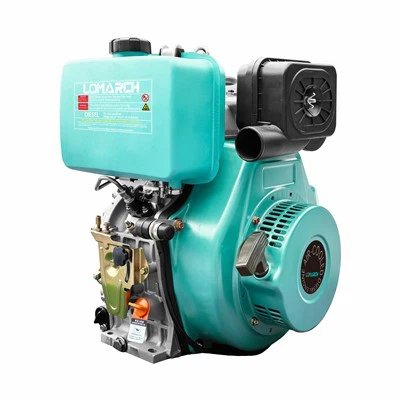
Transporting a diesel sewage pump safely is a crucial task that requires careful planning and execution. As a supplier of Diesel Sewage Pump, I understand the importance of ensuring that these pumps reach their destination in perfect condition. In this blog post, I will share some essential tips and guidelines on how to transport a diesel sewage pump safely.
Pre - Transport Preparation
Inspection and Maintenance
Before transporting the diesel sewage pump, it is essential to conduct a thorough inspection. Check for any signs of damage, loose parts, or leaks. Make sure all the components are in good working condition. Tighten any loose bolts or nuts, and ensure that the pump is properly lubricated. If there are any issues, address them before the transport to prevent further damage during transit.
Documentation
Gather all the necessary documentation related to the pump. This includes the user manual, warranty information, and any certifications. Having these documents on hand can be very helpful in case of any problems during the transport or when the pump arrives at its destination.
Drain and Clean
Drain all the fuel and water from the pump. This is important to prevent any spills during transport, which can not only cause damage to the pump but also pose a safety hazard. Clean the pump thoroughly to remove any dirt, debris, or sewage residue. A clean pump is less likely to attract pests and is easier to handle.
Disassembly (if necessary)
In some cases, it may be necessary to disassemble the pump into smaller parts for easier transport. If you decide to do this, make sure to label all the parts clearly. Keep all the small parts, such as bolts, nuts, and gaskets, in a separate container. This will make it easier to reassemble the pump at the destination.


Packaging
Use Appropriate Packaging Materials
Choose high - quality packaging materials that can provide adequate protection for the pump. A wooden crate is often a good choice as it is sturdy and can withstand rough handling during transport. Line the crate with foam or other cushioning materials to absorb shocks and vibrations.
Secure the Pump
Place the pump inside the crate and secure it firmly. Use straps or ropes to prevent the pump from moving around during transit. Make sure the pump is centered and balanced within the crate to avoid any uneven stress on the packaging.
Mark the Package
Clearly mark the package with important information such as "Fragile", "This Side Up", and the weight of the package. This will help the handlers to handle the package with care and ensure that it is transported in the correct orientation.
Choosing the Right Transport Method
Road Transport
Road transport is a common option for transporting diesel sewage pumps. When choosing a road transport company, make sure they have experience in transporting heavy and delicate equipment. Check their safety record and reputation. Ensure that the truck is equipped with proper suspension and shock - absorbing systems to minimize vibrations during the journey.
Rail Transport
Rail transport can be a cost - effective option for long - distance transport. However, it may require additional handling at the loading and unloading points. Make sure the rail carrier has the necessary facilities to handle the pump safely. Coordinate with the carrier to ensure that the pump is loaded and unloaded carefully.
Sea Transport
If the pump needs to be transported overseas, sea transport is an option. Use a reliable shipping company that specializes in transporting heavy machinery. Ensure that the pump is properly secured in a shipping container to prevent damage during the rough sea journey.
During Transport
Monitoring
If possible, monitor the transport of the pump. Some transport companies offer tracking services that allow you to keep an eye on the location and condition of the package. This can help you identify any potential problems early and take appropriate action.
Communication
Maintain good communication with the transport company. Keep them informed of any special requirements or concerns. If there are any delays or issues during the transport, work with them to find a solution.
Unloading and Installation
Unloading
When the pump arrives at its destination, unload it carefully. Use appropriate lifting equipment, such as a crane or a forklift, to avoid any damage to the pump. Follow the proper safety procedures during the unloading process.
Installation
Once the pump is unloaded, install it according to the manufacturer's instructions. Make sure all the connections are secure and that the pump is properly aligned. Test the pump to ensure that it is working correctly.
Other Considerations
Insurance
It is advisable to purchase insurance for the pump during transport. This can provide financial protection in case of any damage or loss during transit. Make sure to read the insurance policy carefully to understand the coverage and any exclusions.
Environmental Considerations
When transporting a diesel sewage pump, be aware of the environmental impact. Ensure that the packaging materials are recyclable or can be disposed of properly. Also, make sure that the pump does not leak any fuel or other contaminants during transport.
Conclusion
Transporting a diesel sewage pump safely requires careful planning, proper packaging, and the right transport method. By following the tips and guidelines outlined in this blog post, you can ensure that your pump reaches its destination in perfect condition. If you are in the market for a Diesel Sewage Pump, Diesel Centrifugal Water Pump, or Diesel Fire Water Pump, we are here to provide you with high - quality products and professional advice. Contact us for more information and to discuss your specific requirements.
References
- General guidelines on equipment transportation from industry standards.
- Manufacturer's manuals for diesel sewage pumps.
- Best practices in packaging and shipping heavy machinery.