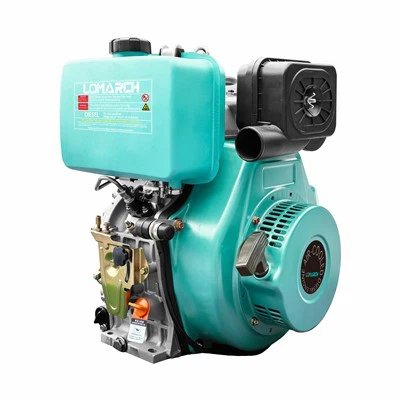
A diesel engine is a complex and powerful machine that powers a wide range of applications, from heavy - duty trucks to agricultural equipment. One of the critical components that ensure its smooth operation is the timing belt or chain. As a diesel engine supplier, I've witnessed firsthand the importance of these components in the overall performance of the engine. In this article, I'll delve into how a diesel engine's timing belt or chain works.
The Basics of Diesel Engine Operation
Before we discuss the timing belt or chain, it's essential to understand the basic operation of a diesel engine. A diesel engine operates on a four - stroke cycle: intake, compression, power, and exhaust. During the intake stroke, the piston moves downward, and the intake valve opens, allowing air to enter the combustion chamber. In the compression stroke, the piston moves upward, compressing the air to a high pressure and temperature. At the end of the compression stroke, fuel is injected into the hot, compressed air, causing it to ignite spontaneously. This ignition drives the piston downward during the power stroke, generating power. Finally, in the exhaust stroke, the piston moves upward again, and the exhaust valve opens, expelling the burned gases from the combustion chamber.
The Role of the Timing Belt or Chain
The timing belt or chain is responsible for synchronizing the rotation of the crankshaft and the camshaft. The crankshaft converts the linear motion of the pistons into rotational motion, while the camshaft controls the opening and closing of the intake and exhaust valves. For the engine to operate efficiently, the valves must open and close at the precise moments during each stroke of the piston. This is where the timing belt or chain comes in.
How a Timing Belt Works
A timing belt is a toothed belt made of rubber or a similar synthetic material. It has teeth on the inner surface that mesh with the teeth on the sprockets of the crankshaft and camshaft. As the crankshaft rotates, it drives the timing belt, which in turn rotates the camshaft.


The advantage of a timing belt is that it operates quietly and requires less maintenance compared to a timing chain in some cases. However, timing belts have a limited lifespan. They are subject to wear and tear, and exposure to heat, oil, and other contaminants can cause them to deteriorate over time. Most manufacturers recommend replacing the timing belt at specific intervals, usually between 60,000 to 100,000 miles, depending on the engine design and operating conditions.
How a Timing Chain Works
A timing chain, on the other hand, is a metal chain similar to a bicycle chain. It is more durable than a timing belt and can last the lifetime of the engine in many cases. The chain links engage with the sprockets on the crankshaft and camshaft, transferring the rotational motion from the crankshaft to the camshaft.
Timing chains are designed to withstand high - stress conditions and are less likely to break compared to timing belts. However, they are noisier than timing belts, and over time, they can stretch. When a timing chain stretches, it can cause the engine's timing to be off, leading to poor performance, decreased fuel efficiency, and potential engine damage if not addressed. To compensate for chain stretch, many modern diesel engines are equipped with a chain tensioner, which automatically adjusts the tension of the chain to keep it tight.
Importance of Proper Timing
Proper timing is crucial for the performance and longevity of a diesel engine. If the timing is off, the valves may open and close at the wrong times, which can lead to several problems. For example, if the intake valve opens too late, not enough air will enter the combustion chamber, resulting in incomplete combustion and reduced power. If the exhaust valve closes too early, the burned gases may not be fully expelled, leading to increased back - pressure and overheating.
Our Diesel Engine Products
As a diesel engine supplier, we offer a variety of high - quality diesel engines that are equipped with reliable timing belts or chains. For instance, our Air Cooled Diesel Engine Model 186F is a popular choice for small - scale applications. It features a well - designed timing system that ensures precise valve timing, resulting in efficient operation and low emissions.
Our Diesel Engine in Agriculture is specifically designed to meet the demanding requirements of agricultural machinery. The timing chain in this engine is built to withstand the harsh operating conditions in the fields, providing long - lasting performance.
Another product in our lineup is the 168F Diesel Engine. This engine uses a timing belt that is engineered for durability and quiet operation. It offers a balance between performance and maintenance requirements.
Contact Us for Purchase and Negotiation
If you're in the market for a diesel engine, whether it's for a vehicle, industrial equipment, or agricultural use, we're here to help. Our team of experts can provide you with detailed information about our products, including the timing belt or chain mechanisms. We can also assist you in choosing the right engine for your specific needs.
Don't hesitate to contact us for purchase and negotiation. We're committed to providing you with the best diesel engine solutions at competitive prices.
References
- Heywood, J. B. (1988). Internal Combustion Engine Fundamentals. McGraw - Hill.
- Crolla, D. A. (2001). Motor Vehicle Propulsion Systems: Theory, Modelling and Simulation. SAE International.