

Hey there! As a supplier of diesel engines, I've been getting a lot of questions lately about the EGR valve and its role in diesel engines. So, I thought I'd take a moment to break it down for you in plain English.
First off, let's talk about what an EGR valve is. EGR stands for Exhaust Gas Recirculation, and the valve is a crucial component in modern diesel engines. Its main job is to recirculate a portion of the engine's exhaust gases back into the combustion chamber. Sounds a bit strange, right? Why would you want to put exhaust gases back into the engine? Well, there are some pretty good reasons for it.

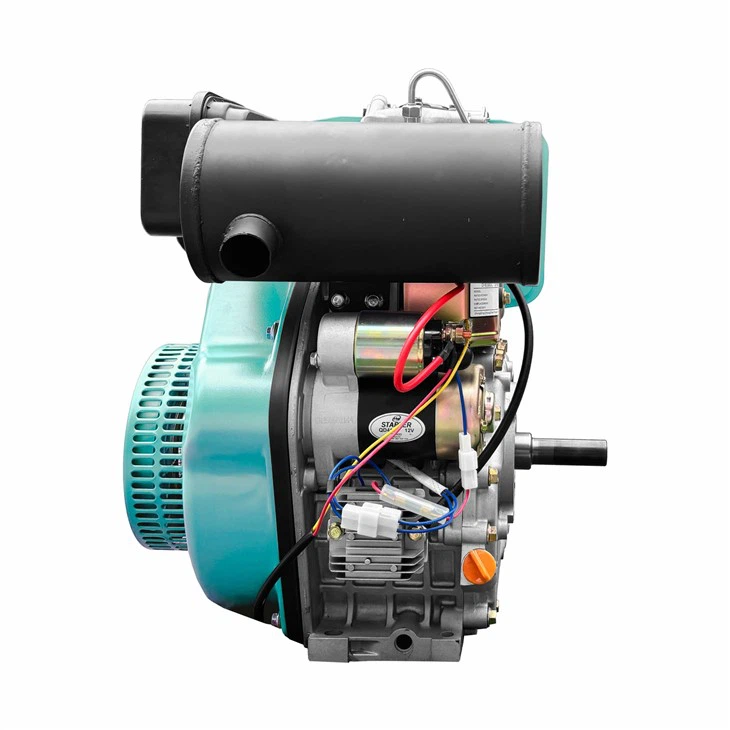
One of the primary reasons for using an EGR valve in a diesel engine is to reduce nitrogen oxide (NOx) emissions. When diesel fuel burns in the engine, it creates high temperatures. At these high temperatures, nitrogen and oxygen in the air can react to form NOx, which is a major contributor to air pollution and can cause a variety of health problems, including respiratory issues. By recirculating some of the exhaust gases back into the combustion chamber, the EGR valve helps to lower the combustion temperature. Since the formation of NOx is highly temperature-dependent, reducing the temperature means less NOx is produced.
Another benefit of the EGR system is that it can improve fuel efficiency in some cases. When exhaust gases are recirculated, they displace some of the fresh air that would normally enter the engine. This means that there's less oxygen available for combustion. As a result, the engine doesn't burn as much fuel, which can lead to better fuel economy. However, it's important to note that this effect is usually more noticeable under certain operating conditions, such as light load or cruising.
Now, let's take a closer look at how the EGR valve actually works. The valve is typically controlled by the engine's electronic control unit (ECU). The ECU monitors various engine parameters, such as engine speed, load, and temperature, and based on this information, it decides when and how much exhaust gas should be recirculated. When the ECU determines that it's time to open the EGR valve, it sends a signal to the valve actuator, which then opens the valve to allow a specific amount of exhaust gas to flow back into the intake manifold.
There are different types of EGR valves, including mechanical and electronic ones. Mechanical EGR valves are simpler in design and are usually operated by engine vacuum. They open and close based on the pressure differences in the engine. Electronic EGR valves, on the other hand, are more precise and can be controlled more accurately by the ECU. They use solenoids or stepper motors to open and close the valve, allowing for more precise control of the exhaust gas flow.
As a diesel engine supplier, we offer a range of engines that are equipped with EGR systems. For example, our 173F - 178F Diesel Engine is designed with an efficient EGR valve to meet strict emission standards while still providing reliable performance. This engine is suitable for a variety of applications, from small generators to agricultural equipment.
Another popular option is our Air Cooled Diesel Engine Model 186F. This engine features an advanced EGR system that helps to reduce emissions and improve fuel efficiency. It's a great choice for those who need a compact and reliable diesel engine for their equipment.
And if you're looking for a smaller engine, our 168F Diesel Engine is also a great option. It comes with a well-designed EGR valve that ensures clean and efficient operation.
However, like any component in an engine, the EGR valve can sometimes experience problems. One common issue is carbon buildup. Over time, carbon deposits can accumulate on the valve and its passages, which can restrict the flow of exhaust gas and cause the valve to stick open or closed. This can lead to a variety of problems, including reduced engine performance, increased emissions, and even engine misfires. To prevent this, it's important to perform regular maintenance on the EGR system, such as cleaning the valve and checking for proper operation.
Another potential problem is a malfunctioning valve actuator. If the actuator fails, the valve may not open or close properly, which can also affect engine performance. In some cases, the ECU may detect a problem with the EGR system and trigger a warning light on the dashboard. If you see this light, it's important to have your engine checked by a professional as soon as possible.
In conclusion, the EGR valve plays a vital role in modern diesel engines. It helps to reduce emissions, improve fuel efficiency, and meet strict environmental regulations. As a diesel engine supplier, we understand the importance of having a reliable EGR system in our engines. We're committed to providing high-quality engines that are not only powerful and efficient but also environmentally friendly.
If you're in the market for a diesel engine and have any questions about the EGR system or our products, don't hesitate to reach out. We're here to help you find the right engine for your needs and can provide you with all the information you need to make an informed decision. Whether you're a small business owner looking for a generator engine or a farmer in need of a reliable tractor engine, we've got you covered. So, let's start the conversation and see how we can work together to meet your power needs.
References
- Heywood, J. B. (1988). Internal Combustion Engine Fundamentals. McGraw-Hill.
- Crolla, D. A. (2001). Vehicle Dynamics: Theory and Application. Society of Automotive Engineers.
