

As a supplier of Belt - driven Mini Tillers, I often get asked about the environmental friendliness of our products, especially when compared to other types of tillers in the market. In this blog, I'll delve into the question: Is an electric belt - driven mini tiller more environmentally friendly?
Understanding the Basics of Electric Belt - Driven Mini Tillers
Let's first understand what an electric belt - driven mini tiller is. These tillers are powered by electricity, which can be sourced from a battery or a direct electrical outlet. The belt - driven mechanism is responsible for transferring power from the motor to the tilling blades. This design offers several advantages in terms of efficiency and ease of use.
Electric tillers are generally quieter than their gasoline - powered counterparts. The noise pollution generated by gasoline engines can be a significant issue, especially in residential areas. With an electric belt - driven mini tiller, you can work in your garden without disturbing your neighbors. The quiet operation also means a more pleasant working environment for the user.
Environmental Impact of Electric Belt - Driven Mini Tillers
One of the most significant environmental benefits of electric belt - driven mini tillers is their lack of tailpipe emissions. Gasoline - powered tillers burn fossil fuels, releasing harmful pollutants such as carbon monoxide, nitrogen oxides, and particulate matter into the atmosphere. These pollutants contribute to air pollution, which has a detrimental effect on human health and the environment.
In contrast, electric tillers produce zero emissions at the point of use. As long as the electricity used to power the tiller comes from renewable sources such as solar, wind, or hydro, the overall carbon footprint of the tiller can be significantly reduced. Even if the electricity is sourced from the grid, which may include some non - renewable energy sources, electric tillers are still generally more energy - efficient than gasoline tillers.
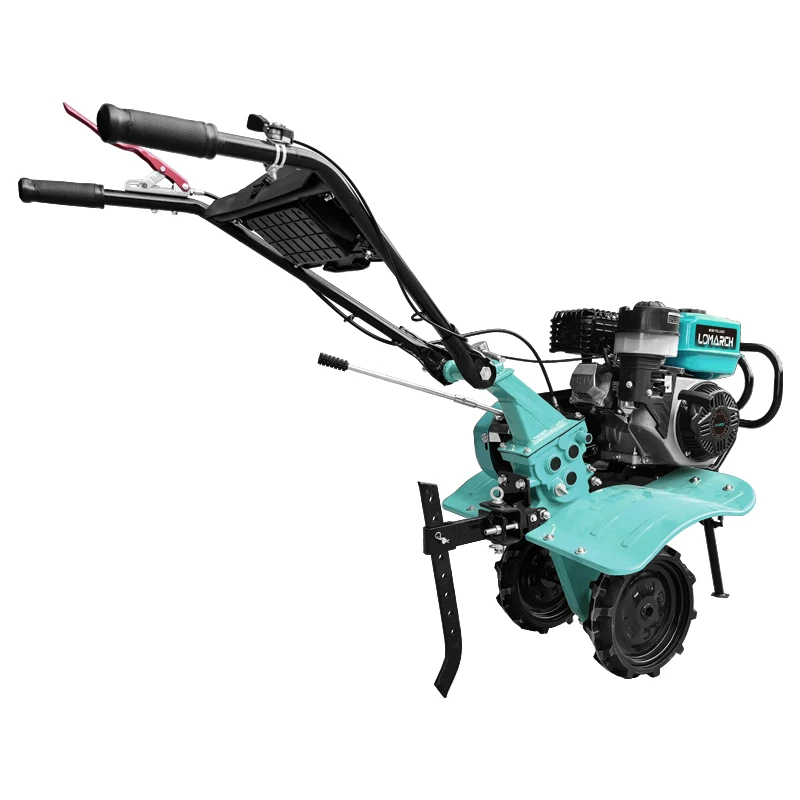

Another aspect to consider is the fuel efficiency. Gasoline engines are often less efficient, with a significant amount of energy being lost as heat. Electric motors, on the other hand, can convert a higher percentage of electrical energy into mechanical energy. This means that for the same amount of work, an electric belt - driven mini tiller may consume less energy than a gasoline - powered tiller.
Comparing with Gasoline - Powered Tillers
To better understand the environmental impact, let's compare electric belt - driven mini tillers with some popular gasoline - powered tillers. You can check out Small Gasoline Garden Tiller, Multipurpose Mini Power Tiller, and Compact Garden Tillers for more details on these gasoline - powered options.
Gasoline - powered tillers require regular maintenance, including oil changes, spark plug replacements, and air filter cleanings. The disposal of used oil and other maintenance by - products can also have an environmental impact. In addition, the production and transportation of gasoline involve significant energy consumption and greenhouse gas emissions.
Electric belt - driven mini tillers, however, have fewer moving parts and generally require less maintenance. There is no need for oil changes, and the only major component that may need replacement over time is the battery (if it's a battery - powered model). The batteries used in electric tillers are also becoming more environmentally friendly, with the development of rechargeable lithium - ion batteries that have a longer lifespan and can be recycled.
Lifecycle Analysis
When evaluating the environmental friendliness of a product, it's important to consider its entire lifecycle, from production to disposal. The production of electric belt - driven mini tillers does require energy and resources, but the overall environmental impact during production is often offset by the reduced emissions during use.
The manufacturing process of gasoline - powered tillers involves the extraction and processing of fossil fuels, as well as the production of engine components. These processes contribute to environmental degradation, including habitat destruction and water pollution. In comparison, the production of electric tillers focuses more on the manufacturing of electric motors, batteries, and other electrical components, which can be more energy - efficient and less polluting.
At the end of their useful life, electric tillers can be more easily recycled. Many of the components, such as the metal frames, electrical wires, and batteries, can be recovered and reused. Gasoline - powered tillers, on the other hand, may be more difficult to recycle due to the presence of hazardous materials such as gasoline and oil.
Considerations for the Future
As the demand for more sustainable gardening equipment grows, the market for electric belt - driven mini tillers is expected to expand. Manufacturers are constantly improving the technology, making these tillers more powerful, efficient, and affordable.
In addition, the development of smart grid technology and the increasing availability of renewable energy sources will further enhance the environmental benefits of electric tillers. In the future, we may see more gardeners choosing electric belt - driven mini tillers as a more sustainable alternative to gasoline - powered models.
Conclusion
In conclusion, electric belt - driven mini tillers are generally more environmentally friendly than gasoline - powered tillers. They produce zero emissions at the point of use, are more energy - efficient, and require less maintenance. Their lower noise levels also make them a more neighbor - friendly option.
If you're interested in purchasing an electric belt - driven mini tiller or have any questions about our products, I encourage you to contact us for a detailed discussion. We can provide you with more information on the features and benefits of our tillers, as well as help you choose the right model for your gardening needs. Let's work together to create a more sustainable future for gardening.
References
- "Environmental Impact of Small Engines." Environmental Protection Agency.
- "Lifecycle Assessment of Electric and Gasoline - Powered Lawn and Garden Equipment." Journal of Cleaner Production.
- "Advances in Electric Motor Technology for Small - Scale Gardening Equipment." International Journal of Sustainable Energy.
