

When it comes to gardening and small - scale farming, belt - driven mini tillers are incredibly useful tools. As a supplier of belt - driven mini tillers, I understand the importance of ensuring the safety of bystanders during their operation. These compact machines can efficiently break up soil, prepare seedbeds, and mix in compost, but their power also comes with potential risks. In this blog, I'll share some key strategies to keep bystanders safe when using a belt - driven mini tiller.
Pre - operation Precautions
Before starting the tiller, it's essential to take several precautions to minimize risks to bystanders. First and foremost, select a suitable work area. The area should be clearly marked and free from any obstacles that could cause the tiller to veer off course or throw debris. For example, remove rocks, sticks, and large clumps of dirt from the ground. This not only makes the tilling process smoother but also reduces the chance of projectiles being launched into the surrounding area.
Set up a safety perimeter around the work area. Use cones, ropes, or other visible barriers to clearly define the boundaries. This will prevent bystanders from accidentally wandering into the danger zone. Make sure to communicate with anyone in the vicinity about the ongoing tilling operation and the importance of staying outside the marked area.
Inspect the tiller thoroughly before each use. Check the belt for any signs of wear, damage, or looseness. A damaged belt can break during operation, causing the tiller to malfunction and potentially pose a danger to bystanders. Also, examine the tines, blades, and other moving parts. Ensure that all fasteners are tight and that there are no loose components that could come off during use.
Operator Training and Awareness
The operator of the belt - driven mini tiller plays a crucial role in ensuring bystander safety. It's vital that the operator is properly trained in the use of the tiller. This includes understanding how to start, stop, and control the machine, as well as how to handle different types of terrain. Training should also cover emergency procedures in case of a malfunction or accident.
The operator should always wear appropriate safety gear, such as safety glasses, ear protection, and sturdy footwear. Safety glasses protect the eyes from flying debris, while ear protection reduces the risk of hearing damage from the tiller's noise. Sturdy footwear provides traction and protects the feet from potential impacts.
During operation, the operator should maintain a high level of awareness of their surroundings. They should constantly scan the area for bystanders and be prepared to stop the tiller immediately if someone enters the safety perimeter. The operator should also avoid sudden movements or changes in direction that could startle bystanders or cause the tiller to lose control.
Safe Operating Practices
When operating the belt - driven mini tiller, there are several safe practices that can help protect bystanders. First, start the tiller in an open area away from bystanders. This allows the operator to ensure that the machine is running smoothly before moving into the work area.
Use the tiller at a reasonable speed. Avoid excessive speed, as this can make the tiller more difficult to control and increase the risk of throwing debris. When turning the tiller, do so slowly and carefully to prevent it from tipping over or losing control.
Be aware of the direction in which the tiller throws debris. Most tillers throw debris to the side or behind the machine. Position the tiller in such a way that the debris is directed away from bystanders. If possible, work with the wind at your back to help carry the debris away from the safety perimeter.

Maintenance and Upkeep
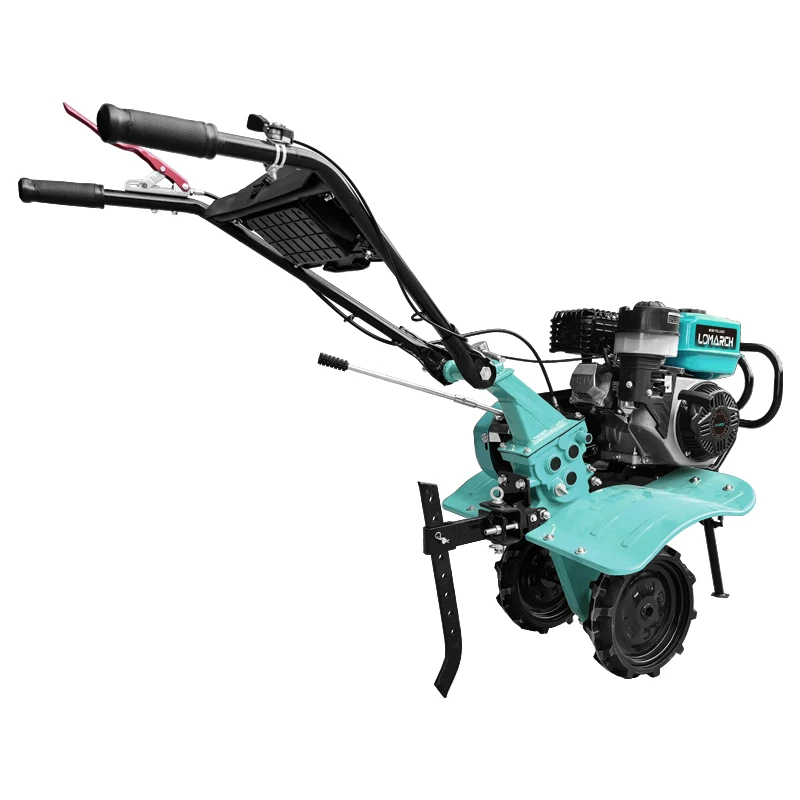
Regular maintenance of the belt - driven mini tiller is essential for both its performance and bystander safety. Follow the manufacturer's recommended maintenance schedule. This includes changing the oil, replacing the air filter, and lubricating the moving parts at the appropriate intervals.
Keep the tiller clean after each use. Remove any dirt, grass, or debris that has accumulated on the machine. This not only helps to prevent corrosion but also ensures that the moving parts operate smoothly.
Periodically check the safety features of the tiller, such as the emergency stop button. Make sure that it is in good working condition and that the operator knows how to use it in case of an emergency.
Dealing with Emergencies
Despite taking all the necessary precautions, emergencies can still occur. In case of an accident or malfunction, the operator should immediately stop the tiller and turn off the engine. If a bystander has been injured, call for medical assistance right away.
After an emergency, the tiller should be inspected by a qualified technician before it is used again. This will ensure that the machine is safe to operate and that any issues that may have caused the emergency are addressed.
Conclusion
Ensuring the safety of bystanders when using a belt - driven mini tiller is a shared responsibility between the operator, the supplier, and anyone in the vicinity of the work area. By following the pre - operation precautions, providing proper operator training, implementing safe operating practices, maintaining the tiller regularly, and being prepared for emergencies, we can significantly reduce the risk of accidents and keep everyone safe.
If you're interested in our high - quality belt - driven mini tillers, we offer a range of products such as the Multipurpose Mini Power Tiller, Compact Garden Tillers, and Small Gasoline Garden Tiller. We are always ready to assist you with your gardening and farming needs. If you have any questions or would like to discuss a purchase, please feel free to contact us for further details and to start a procurement negotiation.
References
- Manufacturer's manuals for belt - driven mini tillers
- Safety guidelines from relevant gardening and farming associations
- Industry best practices for small - scale agricultural equipment operation
