

As a seasoned supplier of diesel engines, I've witnessed firsthand the pivotal role that various components play in the efficient operation of these powerhouses. One such component that often goes unnoticed but is crucial for both performance and environmental compliance is the Exhaust Gas Recirculation (EGR) valve. In this blog, I'll delve into the inner workings of the EGR valve in a diesel engine, exploring its functions, benefits, and the impact it has on overall engine performance.
Understanding the Basics of Diesel Combustion
Before we dive into the specifics of the EGR valve, it's essential to understand the fundamentals of diesel combustion. In a diesel engine, air is drawn into the combustion chamber and compressed to a high pressure. This compression causes the air temperature to rise significantly. At the peak of compression, fuel is injected into the hot, compressed air, where it ignites spontaneously due to the high temperature. This combustion process generates power, which is then transferred to the engine's crankshaft and ultimately to the vehicle's wheels.
However, this combustion process also produces nitrogen oxides (NOx), which are harmful pollutants that contribute to smog and acid rain. The high temperatures in the combustion chamber cause nitrogen and oxygen molecules in the air to react, forming NOx. Reducing NOx emissions is a critical challenge for diesel engine manufacturers, and the EGR valve plays a key role in addressing this issue.
How the EGR Valve Works
The EGR valve is a simple yet effective device that recirculates a portion of the engine's exhaust gas back into the combustion chamber. By doing so, it reduces the amount of oxygen available for combustion, which in turn lowers the peak combustion temperature. Since NOx formation is highly dependent on temperature, reducing the peak combustion temperature helps to significantly reduce NOx emissions.
Here's a step-by-step breakdown of how the EGR valve operates:
- Exhaust Gas Extraction: The EGR valve is typically located between the exhaust manifold and the intake manifold. When the engine reaches a certain operating condition, usually during part-load operation, the EGR valve opens, allowing a controlled amount of exhaust gas to flow from the exhaust manifold into the intake manifold.
- Mixing with Fresh Air: Once the exhaust gas enters the intake manifold, it mixes with the fresh air that is being drawn into the engine. The exhaust gas contains inert gases such as carbon dioxide and water vapor, which do not participate in the combustion process. By diluting the fresh air with exhaust gas, the oxygen concentration in the combustion chamber is reduced.
- Combustion Process: When the fuel is injected into the combustion chamber, it ignites in the presence of the diluted air-exhaust gas mixture. The lower oxygen concentration and the presence of inert gases help to lower the peak combustion temperature, reducing the formation of NOx.
- EGR Valve Control: The opening and closing of the EGR valve are precisely controlled by the engine's electronic control unit (ECU). The ECU monitors various engine parameters, such as engine speed, load, and temperature, to determine the optimal amount of exhaust gas to recirculate. This ensures that the EGR system operates efficiently under all operating conditions.
Benefits of the EGR System
The EGR system offers several significant benefits for diesel engines:

- Reduced NOx Emissions: As mentioned earlier, the primary function of the EGR system is to reduce NOx emissions. By recirculating exhaust gas and lowering the peak combustion temperature, the EGR system helps diesel engines meet strict emission standards.
- Improved Fuel Efficiency: In some cases, the EGR system can also improve fuel efficiency. By reducing the oxygen concentration in the combustion chamber, the EGR system can reduce the amount of fuel required to achieve the same power output. This is especially true during part-load operation, where the engine operates at a lower efficiency.
- Lower Combustion Noise: The EGR system can also help to reduce combustion noise. The lower peak combustion temperature and the presence of inert gases in the combustion chamber result in a smoother and quieter combustion process.
Types of EGR Valves
There are several types of EGR valves available, each with its own advantages and disadvantages. The most common types include:
- Mechanical EGR Valves: These valves are operated by a vacuum or mechanical linkage. They are relatively simple and inexpensive, but they may not provide precise control over the amount of exhaust gas recirculation.
- Electronic EGR Valves: These valves are controlled by the engine's ECU and offer more precise control over the EGR rate. They are more complex and expensive than mechanical EGR valves, but they provide better performance and reliability.
- Cooled EGR Valves: In some applications, the exhaust gas is cooled before it is recirculated into the combustion chamber. Cooled EGR valves help to further reduce the peak combustion temperature and improve the efficiency of the EGR system.
Maintenance and Troubleshooting
Like any other engine component, the EGR valve requires regular maintenance to ensure optimal performance. Over time, the EGR valve can become clogged with carbon deposits, which can restrict the flow of exhaust gas and cause the engine to run poorly. To prevent this, it's important to follow the manufacturer's recommended maintenance schedule and clean or replace the EGR valve as needed.
If you suspect that your EGR valve is malfunctioning, there are several symptoms to look out for, including:
- Poor Engine Performance: A clogged or malfunctioning EGR valve can cause the engine to run rough, misfire, or lose power.
- Increased Emissions: A faulty EGR valve can cause the engine to produce higher levels of NOx emissions, which can result in a failed emissions test.
- Check Engine Light: The engine's ECU may detect a problem with the EGR system and illuminate the check engine light on the dashboard.
If you experience any of these symptoms, it's important to have your vehicle inspected by a qualified mechanic as soon as possible.
Our Diesel Engine Offerings
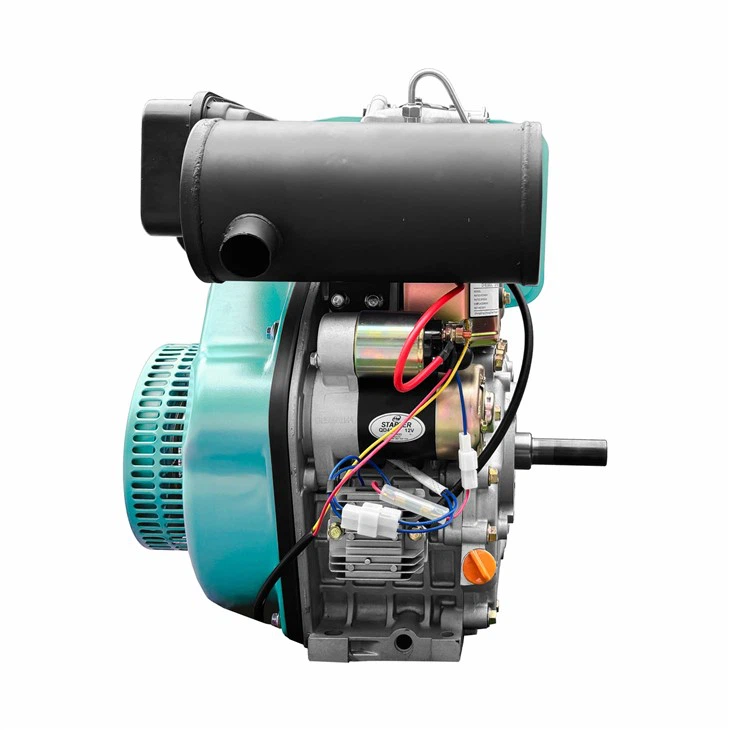
At our company, we offer a wide range of high-quality diesel engines that are equipped with advanced EGR systems to meet the latest emission standards. Our engines are designed to provide reliable performance, excellent fuel efficiency, and low emissions. Some of our popular diesel engine models include the Air Cooled Diesel Engine Model 186F, the 168F Diesel Engine, and the 173F-178F Diesel Engine.
Whether you're looking for a diesel engine for your agricultural equipment, construction machinery, or power generation needs, we have the right solution for you. Our team of experts is always available to provide you with technical support and assistance to help you choose the best engine for your application.
Contact Us for Procurement
If you're interested in learning more about our diesel engines or would like to discuss your procurement needs, please don't hesitate to contact us. We're committed to providing our customers with the highest level of service and support, and we look forward to working with you to find the perfect diesel engine solution for your business.
References
- Heywood, J. B. (1988). Internal Combustion Engine Fundamentals. McGraw-Hill.
- Stone, R. (2012). Introduction to Internal Combustion Engines. Pearson.
- DieselNet. (n.d.). Exhaust Gas Recirculation (EGR). Retrieved from https://www.dieselnet.com/tech/egr.php
