

Do diesel engines last longer than gasoline engines? This is a question that has intrigued vehicle owners, mechanics, and industry experts for years. As a diesel engine supplier, I've had the privilege of witnessing firsthand the performance and longevity of diesel engines in various applications. In this blog post, I'll delve into the factors that contribute to the lifespan of diesel and gasoline engines, compare their durability, and provide insights based on my experience in the industry.
Understanding the Basics of Diesel and Gasoline Engines
Before we compare the longevity of diesel and gasoline engines, it's essential to understand how they work. Gasoline engines, also known as spark - ignition engines, use a spark plug to ignite a mixture of air and gasoline in the combustion chamber. This ignition process is relatively quick and produces a high - energy explosion that drives the pistons.
On the other hand, diesel engines are compression - ignition engines. They compress air in the combustion chamber to a high pressure, which raises the air temperature. Then, diesel fuel is injected into the hot, compressed air, causing it to ignite spontaneously. This fundamental difference in the ignition process has significant implications for the engine's durability.
Factors Affecting Engine Longevity
1. Construction and Design
Diesel engines are typically built with heavier and more robust components compared to gasoline engines. The pistons, crankshafts, and cylinder walls in diesel engines are designed to withstand higher compression ratios. For example, diesel engines often have compression ratios between 14:1 and 25:1, while gasoline engines usually have compression ratios between 8:1 and 12:1. The higher compression ratios in diesel engines generate more force, so the engine components need to be stronger to handle the stress. This sturdier construction generally means that diesel engines can endure more wear and tear over time.
2. Combustion Process
The combustion process in diesel engines is more gradual compared to gasoline engines. In a gasoline engine, the spark plug ignites the air - fuel mixture all at once, creating a rapid and intense explosion. This sudden release of energy can put a lot of stress on the engine components. In contrast, the self - ignition of diesel fuel in a diesel engine results in a more controlled and slower combustion process. This reduces the stress on the engine parts, which can contribute to a longer lifespan.
3. Oil Lubrication
Diesel engines require high - quality lubricating oil due to the higher pressures and temperatures they operate under. Diesel engine oil has better anti - wear and anti - oxidation properties. The oil in a diesel engine also helps to clean the engine by removing contaminants and preventing the buildup of sludge. Regular oil changes are crucial for both diesel and gasoline engines, but diesel engines may benefit more from proper oil maintenance because of their more demanding operating conditions.
4. Operating Conditions
The way an engine is used can significantly affect its lifespan. Diesel engines are often used in heavy - duty applications such as trucks, buses, and construction equipment. These vehicles typically operate at lower RPMs (revolutions per minute) for extended periods. Lower RPM operation generally means less wear on the engine components. Gasoline engines, on the other hand, are commonly found in passenger cars, which may be driven at a wider range of RPMs, including high - speed driving and frequent acceleration and deceleration. This can lead to more rapid wear on the engine parts.
Real - World Examples of Diesel Engine Longevity
There are numerous real - world examples that demonstrate the long lifespan of diesel engines. Many long - haul trucks with diesel engines can easily reach over a million miles before requiring a major overhaul. These trucks are often on the road for long hours, carrying heavy loads, and yet their diesel engines continue to perform reliably.

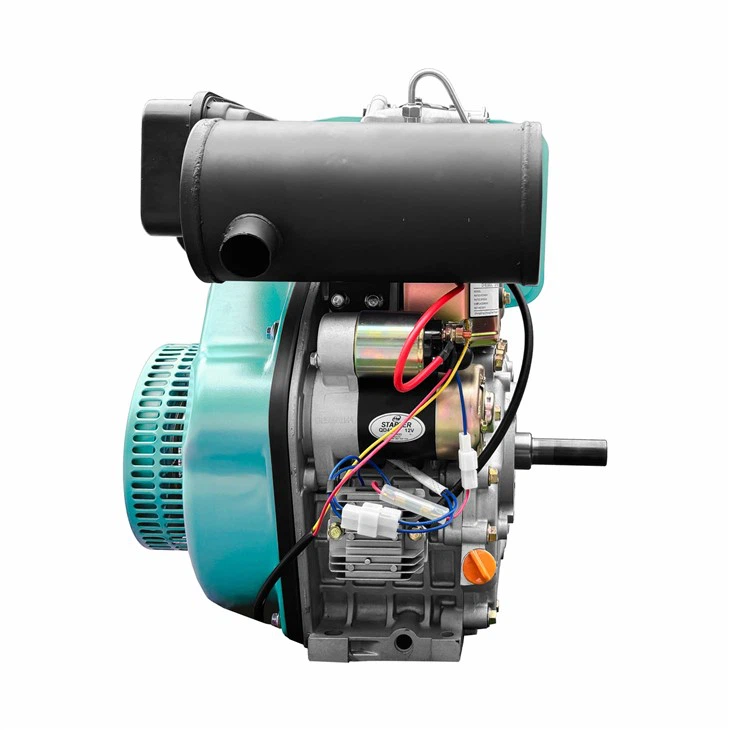
In the marine industry, diesel engines are the preferred choice for large ships. They are designed to operate continuously for months or even years at a time, with proper maintenance. This shows the durability and long - term reliability of diesel engines in harsh and demanding environments.
Comparing the Lifespan of Diesel and Gasoline Engines
On average, a well - maintained diesel engine can last between 300,000 to 500,000 miles or more. In contrast, a gasoline engine typically lasts between 150,000 to 200,000 miles. However, these are just general estimates, and the actual lifespan of an engine can vary depending on factors such as maintenance, driving habits, and the quality of the engine.
It's important to note that while diesel engines may have a longer lifespan, they also require more specialized maintenance. Diesel engines need regular fuel filter changes, and the injection systems need to be properly maintained to ensure optimal performance.
Our Diesel Engine Offerings
As a diesel engine supplier, we offer a range of high - quality diesel engines suitable for various applications. Our 168F Diesel Engine is a compact and efficient engine, perfect for small - scale power generation and agricultural equipment. It is designed with durability in mind, featuring a robust construction and reliable performance.
For more heavy - duty applications, our 173F - 178F Diesel Engine is an excellent choice. These engines are built to handle high loads and continuous operation, making them ideal for construction machinery and industrial generators.
We also have the Air Cooled Diesel Engine Model 186F, which is known for its simplicity and ease of maintenance. The air - cooled design makes it suitable for use in areas where water - cooling systems may not be practical.
Conclusion
In conclusion, diesel engines generally have the potential to last longer than gasoline engines due to their robust construction, more controlled combustion process, and the ability to handle high - stress operating conditions. However, achieving a long lifespan for any engine requires proper maintenance, including regular oil changes, filter replacements, and timely servicing.
If you're in the market for a reliable and long - lasting diesel engine, we'd love to hear from you. Whether you need an engine for a small agricultural machine or a large industrial generator, our team of experts can help you find the right solution. Contact us today to start a discussion about your diesel engine needs and explore our product offerings.
References
- Heywood, J. B. (1988). Internal Combustion Engine Fundamentals. McGraw - Hill.
- Crolla, D. A. (2001). Vehicle Dynamics: Theory and Application. Society of Automotive Engineers.
- Taylor, C. F. (1985). The Internal Combustion Engine in Theory and Practice. MIT Press.
